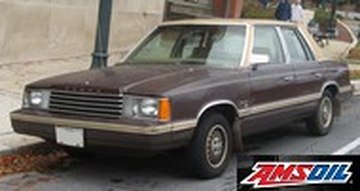
Engine Oil Maintenance for the 1983 Dodge ARIES 2.2L
Maintaining the lubrication system is one of the most important aspects of long-term vehicle care. For owners of a 1983 Dodge ARIES with the 2.2L engine, using the correct oil viscosity and following consistent maintenance routines helps ensure the internal components remain properly lubricated during operation.
What engine oil is listed for my 1983 Dodge ARIES 2.2L?
The following products are listed for this vehicle: Signature Series 10W-30 Synthetic Motor Oil (ATMQT-EA), XL 10W-30 Synthetic Motor Oil (XLTQT-EA), and OE 10W-30 Synthetic Motor Oil (OETQT-EA).
Understanding Engine Oil Viscosity
Viscosity refers to a fluid's resistance to flow. In an internal combustion engine, the oil must be thin enough to circulate quickly during a cold start but thick enough to maintain a protective film between moving parts as the engine reaches operating temperature. The 10W-30 viscosity listed for this application is designed to balance these needs. The "10W" indicates the oil's flow characteristics at lower temperatures, while the "30" represents its flow characteristics at higher operating temperatures.
When selecting an oil, it is vital to adhere to the viscosity grade specified for your engine. Using an oil that is too thick can prevent adequate lubrication during startup, while an oil that is too thin may not provide sufficient separation between metal surfaces under heat and pressure. Always refer to the manufacturer's documentation to confirm the correct weight for your specific engine configuration.
The Importance of Regular Oil Changes
Engine oil does not remain in perfect condition indefinitely. Over time, the additives within the oil—such as detergents, dispersants, and anti-wear agents—begin to break down due to heat and chemical exposure. Additionally, oil can become contaminated with combustion byproducts, soot, and moisture. These contaminants can increase the acidity of the oil or create sludge, which may interfere with the engine's ability to lubricate itself.
To prevent these issues, you should follow the manufacturer maintenance schedule for your 1983 Dodge ARIES. Regular changes ensure that fresh additives are present to neutralize acids and keep contaminants in suspension so they can be removed by the oil filter. If you notice the oil becoming very dark, gritty, or if the engine's performance changes, consult your owner's manual regarding service intervals.
Monitoring Oil Levels
Checking the oil level is a simple but critical maintenance task that should be performed regularly. Low oil levels can lead to increased friction, overheating, and potential mechanical failure. A proper check involves parking the vehicle on level ground, allowing the engine to cool or sit for a few minutes after running, and using the dipstick provided in the engine bay.
When checking the level, wipe the dipstick clean first, reinsert it fully, and pull it out again to read the markings. The oil level should fall between the minimum and maximum indicators. If the level is consistently dropping between service intervals, it may indicate a leak or that the engine is consuming oil, both of which require professional inspection.
The Role of the Oil Filter
The oil filter works in tandem with the engine oil to keep the lubrication system clean. As oil circulates through the engine, the filter captures microscopic particles, metal shavings, and carbon deposits. If a filter becomes clogged or reaches the end of its service life, it can no longer effectively remove contaminants from the stream.
It is standard practice to replace the oil filter every time the engine oil is changed. A fresh filter ensures that the new oil entering the engine remains free of debris collected during the previous service interval. Neglecting the filter can lead to a buildup of contaminants that circulate through the engine, potentially causing premature wear on critical components.
Identifying Potential Leaks
Oil leaks can stem from various points, including gaskets, seals, or the oil pan. Even small, slow leaks can eventually lead to low oil levels and increased engine temperature. Common areas where leaks may occur include the valve cover gasket, the oil pan gasket, and the crankshaft seals.
If you notice oil spots on your driveway or smell burning oil while driving, these are common signs of a leak. It is important to address leaks promptly. Beyond the risk of running low on oil, leaking oil can drip onto hot exhaust components, creating smoke or odors, and can also contaminate other engine parts or rubber hoses.
BUYING ENGINE OIL
When you are ready to purchase lubrication for your vehicle, look for products that match the specific viscosity requirements listed for your 1983 Dodge ARIES 2.2L. You may choose between different formulations, such as the Signature Series, XL, or OE options mentioned in the technical data. Ensure that any oil you select is clearly labeled with the correct weight to maintain proper engine protection and performance.